
Sauces & Condiments
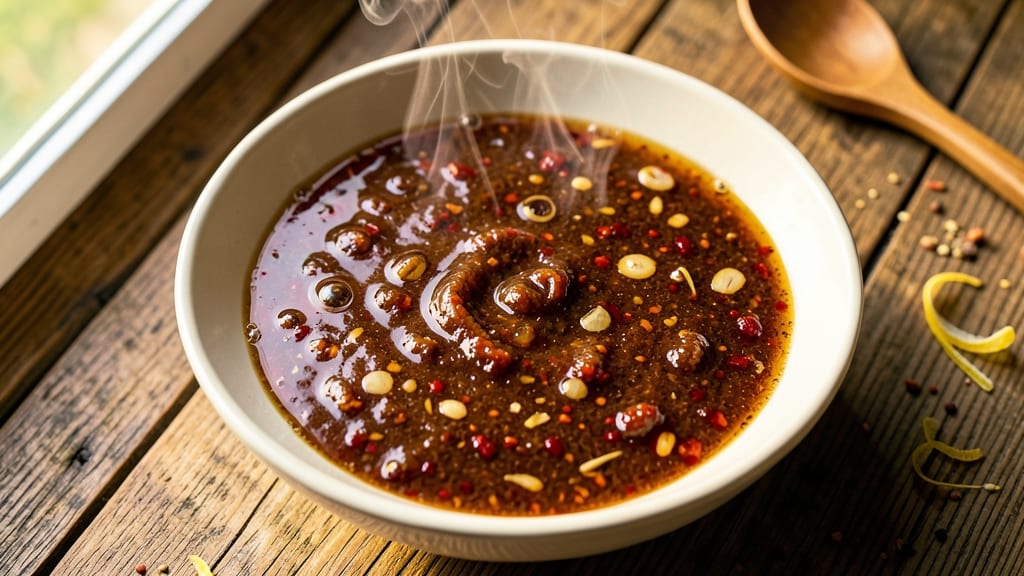
This Applebee's Sweet Asian Chili Sauce copycat delivers that signature smoky-sweet balance in every drizzle. The secret lies in blending chili paste with vinegar and sugar until it reaches that perfect harmony of heat and sweetness—just like the restaurant version.
I've perfected this recipe over countless batches, ensuring the sauce stays shelf-stable for weeks.
The sauce starts with a simple simmer of chili paste, vinegar, and sugar, then gets blended smooth for that restaurant-quality texture. What makes it special is the balance—just enough spice to wake up your taste buds, but sweetness that keeps it approachable.
The result is a versatile sauce that elevates everything from wings to fries.
By the time you're done, you'll have a jar of smoky-sweet chili sauce that's ready to transform your favorite dishes. It's thick enough to cling to food but still pourable for dipping, and the flavor stays vibrant even after storage.
This is the kind of sauce that turns ordinary meals into something special.
Use it immediately or store it in the fridge for up to a month—it only gets better with time as the flavors meld. Whether you're dipping, drizzling, or glazing, this copycat sauce delivers restaurant-quality results at home.
Ingredients for applebee's sweet asian chili sauce copycat
Nine simple ingredients transform into that iconic smoky-sweet chili sauce you love.
| Ingredient | Amount | Notes |
|---|---|---|
| Chili Paste 🌶️ | ½ cup | Red chili paste, like Huy Fong brand |
| Rice Vinegar 🍶 | ½ cup | White or seasoned variety |
| Brown Sugar 🍚 | ½ cup | Packed firmly, light or dark |
| Water 💧 | ½ cup | Room temperature preferred |
| Soy Sauce 🥢 | 2 tbsp | Light or dark soy sauce |
| Garlic Cloves 🧄 | 3 cloves | Minced finely for depth |
| Fresh Ginger 🌿 | 1 tbsp | Grated finely, fresh preferred |
| Sesame Oil 🫒 | 1 tbsp | Toasted sesame oil for aroma |
| Cornstarch 🌾 | 1 tbsp | For thickening consistency |
| Salt 🧂 | ½ tsp | Adjust to taste, kosher preferred |
The chili paste is non-negotiable here—Huy Fong brand (the red kind) gives you that authentic heat. Grab a jar at Asian markets or the international aisle at Walmart. If you can't find it, Gochujang works in a pinch, but it's got a different tang. The brown sugar matters too—light or dark, but packed firmly. I always double-check the label for 'pure cane sugar' if I'm feeling particular. Fresh ginger and garlic? Fresh is best—dried just won't cut it for that restaurant-quality punch.
No rice vinegar? Apple cider vinegar works, but it'll taste slightly different. Short on soy sauce? Coconut aminos gives a similar umami kick. The sesame oil is where the magic happens—toasted is key (look for it in the Asian foods aisle). Want it smoother? Blend everything until it's silky. Prefer it chunky? Leave the garlic and ginger slightly larger. The cornstarch is your secret weapon for that perfect cling—don't skip it. And if you're worried about spice level, reduce the chili paste to 0.4 cup for a milder version.
This sauce keeps like a dream—up to 3 months in the fridge once opened. I like to store it in a glass jar with a tight seal, and it actually tastes better after a few days as the flavors meld. For freezing, portion into ice cube trays—perfect for single-use applications. The longer it sits, the deeper the flavor gets, so make extra if you can. It's the kind of sauce that disappears fast once people taste it.
Why You'll Love This Recipe
- Five-Ingredient Magic: I swear, this sauce is the closest I’ve gotten to Applebee’s without leaving my kitchen. Just chili paste, vinegar, sugar, water, and soy—no fancy gadgets, no stress. Honestly, I’ve made it while waiting for dinner to cook, and it still tastes like it simmered for hours.
- Sweet Heat Balance: That perfect tangy-sweet kick? It’s all in the brown sugar and rice vinegar playing off the chili paste. One taste and you’ll understand why it’s my go-to for wings, noodles, or even eggs. (Yes, even on a Tuesday night.)
- Game for Any Meal: Drizzle it on takeout, toss it in stir-fries, or use it as a marinade—this sauce doesn’t judge. I keep a jar in the fridge because it’s the one thing that turns a boring meal into something worth celebrating.
- No-Waste, Budget Win: A little goes a long way, and the leftovers? They last forever. I’ve used a single batch for three meals without breaking the bank. Between us, this is the kind of recipe that makes me feel like a savvy home cook without the grocery bill to prove it.
Step-by-step instructions for Applebee's sweet Asian chili sauce
Here's how to recreate that signature smoky-sweet sauce at home—just like Applebee's.
Combine Base Ingredients in a Saucepan
In a medium saucepan, whisk together the 0.5 cup chili paste, 0.5 cup rice vinegar, 0.5 cup brown sugar, 0.5 cup water, and 2 tbsp soy sauce. I like to use a heatproof saucepan with a lid to contain any potential splattering. Bring the mixture to a gentle boil over medium heat while stirring occasionally to dissolve the sugar completely.
You'll notice the chili paste will thicken slightly as it heats, and the vinegar will give off a sharp aroma. This is normal—it's the foundation of that signature tangy-sweet flavor. Let it boil for 3-4 minutes until the sugar is fully incorporated and the mixture becomes slightly syrupy.
Add Aromatics and Simmer
Reduce the heat to medium-low and add the 3 minced garlic cloves and 1 tbsp grated fresh ginger. Stir well to combine, and let the mixture simmer uncovered for 5-6 minutes. The garlic and ginger will infuse their flavors into the sauce, creating that aromatic depth you love in the restaurant version.
Here's the thing—don't rush this step. You want the garlic to soften and mellow out rather than burn. You'll know it's ready when the raw garlic smell has mellowed into a sweet, earthy aroma. If the sauce starts to reduce too quickly, you can add 1-2 tablespoons of water to keep it moving.
Incorporate Sesame Oil and Thicken
Once the garlic and ginger are fully incorporated, remove the pan from heat and stir in the 1 tbsp sesame oil and 0.5 tsp salt. The sesame oil will add that nutty aroma that's so characteristic of the restaurant sauce. Let the mixture cool slightly for 2-3 minutes—this prevents the cornstarch from clumping when you add it next.
In a small bowl, whisk together the 1 tbsp cornstarch with 2 tablespoons of water to create a slurry. Slowly pour this back into the saucepan while stirring constantly. Return the pan to medium-low heat and cook for 2-3 minutes until the sauce thickens to a glossy, spoonable consistency.
Adjust Consistency and Flavor
Taste the sauce and adjust the seasoning if needed. You might want to add a bit more soy sauce for saltiness or a touch more brown sugar for sweetness. The sauce should be thick enough to coat the back of a spoon but still flow smoothly.
If it's too thick, whisk in 1 teaspoon of water at a time until you reach your desired consistency. For the perfect restaurant-style sauce, it should be thick enough to cling to wings or fries but still have a glossy sheen. Let it cool completely before using—this allows the flavors to meld together perfectly.
Pro Tips For Making Applebee'S Sweet Asian Chili Sauce Copycat
- STIR CONSTANTLY ON LOW HEAT: I learned this the hard way—skipping the stir turns your chili paste into a burnt brick. Simmer this sauce on the lowest heat setting you can tolerate, and keep that spoon moving every 15-20 seconds. The goal is to dissolve the brown sugar and mellow the chili paste without letting it scorch. (Yes, even if you're impatient like me.)
- USE GRANULATED BROWN SUGAR: That clumpy muscovado or packed brown sugar? Skip it. The stuff dissolves like a dream when it's granulated, and you won't end up with grainy bits in your sauce. If you're in a pinch, crush the lumps in a food processor first—but don't skip the extra stir time after adding it.
- MEASURE SOY SAUCE LAST: Add the soy sauce right before you pull the sauce off the heat. It's salty enough to cut through the sweetness, and adding it early can make the sauce taste flat or overpowered. Just a splash at the end balances everything perfectly—no guessing.
- THIN WITH WATER GRADUALLY: Your first instinct might be to dump in all the water at once, but that dilutes the flavor. Start with half the water, let it simmer for 2-3 minutes, then add the rest if it's too thick. The sauce should coat the back of a spoon but still pour smoothly—thick enough to cling, thin enough to drizzle.
Make-ahead tips for leftovers
Batch Prep Strategy
Make a double batch right away—this sauce only gets better as it sits. I typically quadruple the recipe (2 cups chili paste, 2 cups rice vinegar, etc.) and store it in two 16-ounce glass jars.
The extra lets you experiment with different dishes without worrying about running out. Plus, the cost per serving drops significantly when you prep in bulk. 💛
Freezer-Friendly Portions
Divide the sauce into 2-tablespoon portions using ice cube trays for single-use applications. Once frozen, transfer the cubes to a ziplock freezer bag—this makes it easy to grab just what you need for wings or fries.
Thaw overnight in the fridge or microwave for 30 seconds on high for instant use. The texture remains perfect after freezing.
Flavor Development Timeline
The sauce reaches peak flavor after 3-5 days of refrigeration. I recommend making it 24 hours ahead of your first use—this gives the spices and aromatics time to meld. Store it in an airtight glass jar in the fridge, and stir before each use to redistribute any settled ingredients.
Trust me, the wait is worth it for that restaurant-quality depth. ✨
Storage Containers
Glass is your best friend for this sauce—it preserves flavor better than plastic and won't absorb odors. I use 16-ounce Ball mason jars with tight-sealing lids for long-term storage.
For smaller batches, 8-ounce glass jars work perfectly. Avoid metal containers, as they can react with the acidic vinegar over time. Label with the date to track freshness.
Reviving Stored Sauce
If your sauce thickens too much after storage, simply whisk in 1 teaspoon of water at a time until it reaches your desired consistency. For extra richness, add ½ teaspoon of sesame oil before reheating.
I like to warm it gently in a small saucepan over low heat for 2-3 minutes, stirring constantly, to restore its glossy texture. This works like a charm every time. 🔥
Long-Term Preservation
This sauce stays fresh for up to 3 months in the fridge when stored properly. For even longer storage, freeze it in glass jars (leave 1-inch headspace for expansion). Thaw in the fridge overnight—never microwave directly from frozen, as this can break down the texture.
The sauce maintains its vibrant flavor and color even after months of storage. 💫
Nutrition facts
Frequently asked questions
Can I make this sauce without chili paste?
You can substitute with 2 tbsp gochujang plus 1 tbsp sriracha, but the flavor will be slightly less authentic. For a milder version, use 1 tbsp cayenne pepper mixed with 1 tbsp honey and 1 tbsp water instead. The sauce will still taste great, just with different heat levels.
How do I adjust the sweetness or spice level?
For less sweetness, reduce the brown sugar to 0.3 cup or add 1 tbsp extra rice vinegar. For more heat, increase the chili paste to 0.6 cup. Always taste as you go—you can fine-tune after the initial simmer. The sauce thickens as it cools, so don't worry if it seems too thin while hot.
What's the best way to use this sauce?
This versatile sauce works perfectly for dipping (wings, fries, or spring rolls), glazing (grilled meats or tofu), or as a marinade (chicken or pork). Try drizzling it over noodles or stir-fries for an instant flavor boost. The restaurant version is often served with their Celery Crown appetizer—great for copying that too!
Why did my sauce turn out too thin? This usually happens if you didn't simmer long enough or if the cornstarch didn't activate properly. Next time,
Can I make this sauce in a slow cooker?
Combine all ingredients except cornstarch in your slow cooker on low heat for 1.5-2 hours. Stir in the cornstarch slurry during the last 30 minutes to thicken. The slow cooker method gives you more time to adjust flavors, and you won't have to watch the stove. Just be sure to stir occasionally to prevent sticking.