
Sauces & Condiments
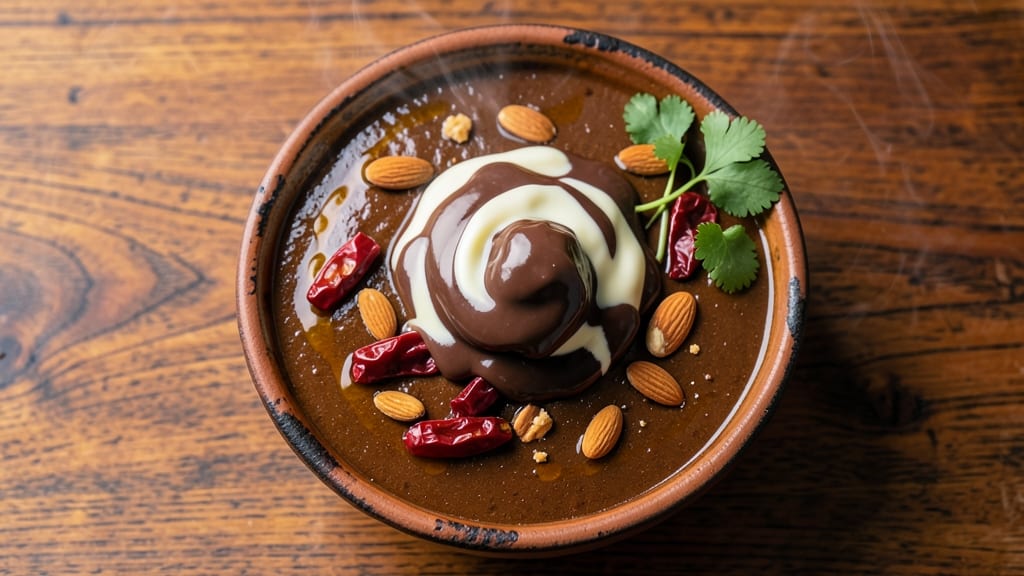
This ancho mole sauce recipe transforms dried chiles, chocolate, and toasted nuts into a complex, velvety sauce that balances smoky heat with deep, nutty sweetness—perfect for vegetarian dishes.
The foundation begins with rehydrating ancho chiles, which lend their signature earthy warmth, while dark chocolate and almonds add richness and subtle bitterness. Toasting spices like cumin and cinnamon unlocks their aromatic potential, creating layers of flavor that build as the sauce simmers.
What sets this recipe apart is the careful balance of ingredients: a touch of acidity from vinegar brightens the sauce, while chicken broth (or vegetable broth for a fully plant-based version) deepens its body.
The sauce thickens naturally as it reduces, developing a glossy sheen and a texture that clings beautifully to tortillas or meats. Each step—from toasting the nuts to blending the sauce—is designed to maximize flavor while keeping the process manageable.
The result is a sauce that’s restaurant-quality yet approachable, ideal for enchiladas, tamales, or drizzled over grilled vegetables. It keeps well in the refrigerator for up to a week, allowing you to make a big batch for meal prep or gifting.
The depth of flavor comes from patience—letting the sauce meld and develop over time ensures every spoonful delivers that perfect harmony of smoky, sweet, and spicy notes. For those who love customization, adjust the heat by adding more chiles or sweetness with extra chocolate.
The sauce also freezes beautifully, making it a versatile addition to your pantry for future Mexican-inspired meals. Ready to master this classic? Let’s begin.
Ingredients for ancho mole sauce
Nine ingredients balance smoky heat and nutty sweetness for a restaurant-quality sauce.
| Ingredient | Amount | Notes |
|---|---|---|
| Dried Ancho Chiles 🌶️ | 4 whole | Stems and seeds removed |
| Dark Chocolate 🍫 | 4 oz | Mexican or high-quality baking |
| Raw Almonds 🥜 | ½ cup | Toasted until golden |
| Vegetable Broth 💧 | 2 cups | Low-sodium preferred |
| White Vinegar 🍋 | 1 tbsp | For brightness |
| Ground Cumin 🌿 | 1 tsp | Toasted for aroma |
| Ground Cinnamon 🍃 | ½ tsp | Warm and aromatic |
| Garlic Cloves 🧄 | 2 cloves | Toasted lightly |
| Olive Oil 🫒 | ¼ cup | For blending |
| Salt 🧂 | ½ tsp | Adjust to taste |
The ancho chiles are the heart of this sauce—look for vibrant, slightly wrinkled pods at Latin markets or specialty stores like Goya or La Tienda. If you can't find dried ancho, pasilla or mulato chiles work as substitutes, though they’ll shift the flavor profile slightly. Toasting the almonds and cumin in a dry skillet unlocks their depth—don’t skip this step. For chocolate, Abel or Ibarra Mexican chocolate adds authenticity, but high-quality baking chocolate works too. The vegetable broth should be unsalted to control seasoning.
No ancho chiles? Substitute with 1 tbsp smoked paprika plus 2 dried guajillo chiles for a similar smoky depth. Short on almonds? Pecans or walnuts add a different but equally rich texture. The vinegar can be swapped for white wine or lime juice if you prefer a different acidity. For extra creaminess without dairy, blend in 2 tbsp silken tofu at the end. The sauce thickens as it reduces—if it’s too thin, simmer uncovered to evaporate excess liquid. Taste as you go, adjusting salt or vinegar to balance the flavors.
Store the sauce in an airtight container in the fridge for up to 1 week, or freeze for 3 months in ice cube trays for single servings. The flavor actually improves after a day as the ingredients meld. For meal prep, double the recipe and freeze half—perfect for quick enchilada nights. If the sauce thickens too much when reheated, stir in a splash of broth or water to restore its glossy texture.
Why You'll Love This Recipe
- Pantry Magic: I swear by this sauce because it uses what’s already hiding in my cupboards—no last-minute grocery runs. Toast those ancho chiles and almonds together, then just blend. Done. The vinegar cuts through the richness, and the chocolate? It’s the secret weapon no one sees coming.
- Rich Without Effort: Between us, this mole tastes like it simmered for hours, but it’s ready in under 30 minutes. That deep, smoky heat from the chiles pairs with the bittersweet chocolate and nutty almonds—it’s complex, but the broth ties it all together so smoothly. No one will guess how little work went into it.
- Weeknight to Weekend: Slather it over grilled chicken for a Tuesday dinner, or drizzle it on enchiladas for Sunday brunch. Freezes like a dream, too—just reheat and serve. Honestly, I’ve even used it to dress up a simple bowl of rice when I’m too tired to plan. Versatile enough to handle anything.
- Budget Luxury: Dark chocolate and dried chiles sound fancy, but they stretch this sauce far—feed four for dinner, then save the rest for tacos the next night. The almonds add creaminess without breaking the bank, and the vinegar keeps costs down while brightening every bite. Fancy flavor, grocery-store math.
Step-by-step instructions for ancho mole sauce
This method delivers a perfectly balanced sauce with smoky depth and rich sweetness.
Toast and Rehydrate the Dried Ancho Chiles
Heat a dry skillet over medium heat and toast the 4 whole dried ancho chiles for 30 seconds per side until fragrant. This step deepens their natural smokiness. Immediately transfer them to a bowl and cover with 2 cups hot vegetable broth.
Let them soak for 15 minutes until completely softened. While they rehydrate, you'll notice their color transform from deep red to a vibrant, almost translucent hue. This indicates they've absorbed enough liquid to release their full flavor profile. Use a slotted spoon to remove the chiles and reserve the broth for later use.
Blend the Toasted Almonds and Aromatics
In a food processor, combine the 0.5 cup toasted raw almonds, 2 toasted garlic cloves, 1 tsp toasted ground cumin, and 0.5 tsp ground cinnamon. Pulse until the almonds break down into a fine meal, about 30-45 seconds. This creates the nutty base that balances the sauce's smoky elements.
Add the rehydrated ancho chiles to the food processor with the almond mixture. Pulse again until you achieve a smooth, thick paste. You should see the vibrant red color from the chiles evenly distributed throughout. This paste forms the foundation of your mole's complex flavor profile.
Create the Chocolate-Almond Base
In a heavy saucepan, combine the almond-chile paste with 0.25 cup olive oil and cook over medium-low heat for 5 minutes, stirring constantly. This allows the oils to infuse with the toasted spices and create a rich aromatic base. The mixture should smell deeply of toasted nuts and smoky chiles.
Gradually whisk in the 4 oz dark chocolate until completely melted and smooth. Add the reserved ancho chile broth 1 cup at a time, whisking vigorously after each addition to prevent lumps. The sauce should begin to thicken as it simmers, developing a glossy sheen that indicates proper emulsification.
Simmer and Balance the Flavors
Return the sauce to a gentle simmer and cook for 10-12 minutes until it reaches your desired consistency. The sauce should coat the back of a spoon but still be pourable. Taste and adjust the seasoning with 0.5 tsp salt and 1 tbsp white vinegar if needed.
For the final touch, simmer in the remaining 1 cup vegetable broth if you prefer a thinner consistency. The vinegar adds brightness that cuts through the richness, while the salt enhances all the flavors. The sauce should have a perfect balance of smoky, sweet, and nutty elements with just a hint of acidity.
Finish and Serve Immediately
Remove the sauce from heat and let it rest for 5 minutes to allow flavors to meld completely. The sauce should be thick enough to coat the back of a spoon but still flow smoothly. If it thickens too much while resting, whisk in 1-2 tablespoons of hot broth to reach your preferred consistency.
Serve the ancho mole sauce immediately over your choice of protein, such as grilled chicken or fish. The sauce will continue to develop in flavor as it sits, so serving it fresh ensures maximum impact. For best results, store any leftovers in an airtight container in the refrigerator for up to 5 days, reheating gently before serving.
Pro Tips For Making Ancho Mole Sauce
- Toast Almonds Until Golden: Skip the raw almonds—they’ll taste bitter and gummy. Dry-toast them in a skillet over medium heat for 5-7 minutes, stirring constantly, until they smell nutty and turn a light golden brown. This step unlocks their flavor and prevents that chalky aftertaste that ruins the sauce’s depth.
- Deglaze with Vinegar First: After charring the anchovies and garlic, hit the pan with a splash of white vinegar before adding broth. The acid cuts through the bitterness of the chiles and lifts the fond off the bottom—no scrubbing required. I learned this the hard way when my first batch tasted flat because I skipped it.
- Blend in Batches: Mole sauce is thick and stubborn. Pulse the raw almonds, chocolate, and chiles in a food processor first, then transfer to a blender and add broth gradually while blending. Dumping everything in at once guarantees clumps, and nobody wants to strain those out later.
- Simmer Low and Slow: Mole sauce needs time—don’t rush it. After combining all ingredients, reduce heat to a bare simmer and let it cook uncovered for at least 30 minutes. This lets the flavors meld and the chocolate fully dissolve; rushing it results in a sauce that’s either grainy or overly thin. (Yes, even if you’re impatient like me.)
Essential equipment for this dish
Food Processor Must-Have
Your food processor is the workhorse of this recipe—no blender can handle the almonds and chiles effectively. I recommend the Ninja BN601 for its powerful motor and sharp blades, which create a silky-smooth paste without overheating.
If you're on a budget, the Cuisinart DLC-4 delivers similar results for half the price. Never skip blending the toasted spices with the rehydrated chiles—this step unlocks the sauce's depth by fully integrating the smoky, nutty, and spicy elements. 💫
Heavy Saucepan Essentials
A heavy-bottomed saucepan prevents scorching during the simmering phase, where the chocolate and spices need gentle, even heat. My go-to is the All-Clad Stainless Steel (1.5-quart size), but a Le Creuset enameled Dutch oven works beautifully too.
Avoid thin, lightweight pans—they cause temperature fluctuations that can burn the sauce. The saucepan should have sloped sides to help with whisking and prevent splattering when adding broth.
Skillet for Toasting
Use a cast-iron skillet (like Lodge 10-inch) for toasting the chiles, almonds, and garlic—cast iron retains heat perfectly and adds a subtle earthy note to the sauce. If you don’t have cast iron, a stainless steel skillet works too, but monitor the heat closely to avoid burning.
The key is medium heat—too hot, and the chiles will char; too low, and they won’t develop their aromatic oils. A quick 30-second toast is all you need to wake up their flavors. 🔥
Slotted Spoon for Broth
A slotted spoon (preferably stainless steel) is critical for straining the rehydrated chiles without losing broth. I use a OXO Good Grips model—its wide slots let liquid drain while keeping the chiles intact for blending.
If you don’t have one, a fine-mesh sieve works in a pinch, but you’ll lose some of the chile’s infused liquid. Reserve that broth like gold—it’s the secret to a velvety, well-balanced sauce.
Whisk for Emulsification
Your whisk (I love the Macalla Balloon Whisk) is the tool that saves your sauce from lumps when incorporating chocolate and broth. A French whisk or even a fork in a pinch can work, but the whisk’s fine wires ensure a smooth, lump-free texture.
Whisk vigorously when adding broth—this step is where the sauce’s emulsification happens, giving it that signature glossy finish. A few minutes of elbow grease here make all the difference. ✨
Nutrition facts
Frequently asked questions
Can I make this ancho mole sauce without chocolate?
Yes, but the sauce will lose its signature depth and richness. For a chocolate-free version, replace the chocolate with 2 tablespoons of unsweetened cocoa powder plus 1 tablespoon of honey to maintain sweetness. Alternatively, use 1/4 cup of raisins or dates blended with the almonds for natural sweetness. The sauce will still have smoky and nutty notes but will taste more savory.
How do I adjust the heat level in this recipe?
The heat comes primarily from the ancho chiles. For a milder sauce, remove the seeds and membranes before toasting. For extra heat, add 1-2 dried guajillo chiles or a pinch of cayenne pepper. Toast and blend them with the ancho chiles. Remember, heat builds as the sauce simmers, so taste frequently and adjust gradually.
What's the best way to use leftover ancho mole sauce?
This versatile sauce keeps well for 5 days in the fridge or 3 months in the freezer. Use it to: enrich tacos, drizzle over grilled chicken or fish, stir into rice, or spoon over roasted vegetables. For extra richness, reheat gently with a splash of broth or water. The sauce thickens when cold, so whisk in a little liquid if needed before serving.
Why did my mole sauce turn grainy or separate?
Graininess usually means the chocolate didn't melt completely or the sauce wasn't blended enough. To fix it, whisk vigorously over low heat until smooth. For separation, the sauce may need more emulsification—blend in 1 tablespoon of cornstarch** mixed with cold water, then simmer until thickened. Always whisk when adding broth to prevent lumps, and never let the sauce boil vigorously.
Can I make this sauce in a blender instead of a food processor?
A blender can work, but it struggles with the tough almond skins and chile membranes, which can clog the blades. For best results, pulse the almonds and spices first, then add the rehydrated chiles and blend in batches. Strain through a fine-mesh sieve if needed. A food processor creates a smoother, more consistent texture by fully breaking down all ingredients.