
Sauces & Condiments
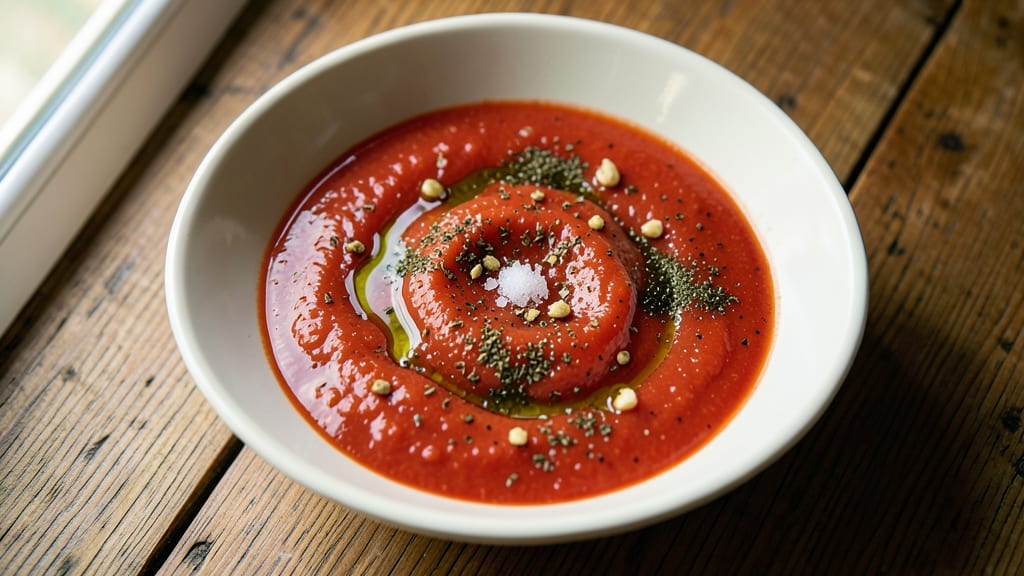
This amazing pizza sauce recipe transforms canned tomatoes into a velvety, chunk-free masterpiece that'll make your pizza taste like it came from a Neapolitan trattoria. 🌟 The secret lies in simmering the sauce low and slow, letting the flavors meld into something rich and complex—no blender required.
I've been perfecting this recipe for years, and it's the one I reach for every time I fire up the oven. What sets this sauce apart is how it balances sweetness, acidity, and herbs without overpowering the cheese or dough.
A touch of sugar caramelizes during simmering, while fresh basil and oregano add bright, aromatic notes that cut through the richness. The texture? Silky smooth, with just enough body to cling to every crust without turning into a soggy mess.
By the time you're done, you'll have a sauce that's versatile enough for classic Margherita pies or bold pepperoni creations. It keeps beautifully in the fridge for up to a week, so you can make a big batch and enjoy homemade pizza night after night.
No more watery, clumpy store-bought sauce—just pure, restaurant-quality flavor in every jar.
The best part? This sauce comes together in under 30 minutes with just a handful of pantry staples. No fancy equipment or obscure ingredients—just good tomatoes, garlic, and a little patience.
Whether you're a pizza pro or a weekend cook, this recipe delivers results that'll have everyone asking for seconds. Let's get started!
Ingredients for amazing pizza sauce
Pantry staples plus a few fresh touches—this sauce delivers restaurant-quality flavor every time.
| Ingredient | Amount | Notes |
|---|---|---|
| San Marzano Tomato Cans 🍅 | 2 cans | Crushed by hand, no liquid |
| Garlic Cloves 🧄 | 4 cloves | Minced for aromatic depth |
| Extra-Virgin Olive Oil 🫒 | 2 tbsp | High quality, fruity variety |
| Granulated Sugar 🍚 | 1 tbsp | Balances acidity, don't skip |
| Dried Oregano 🌿 | 1 tsp | Crumbled between fingers |
| Salt 🧂 | ½ tsp | Diamond Crystal preferred |
| Fresh Basil Leaves 🌿 | ¼ cup | Chopped finely for brightness |
| Red Wine Vinegar 🍷 | 1 tbsp | Brightens flavors beautifully |
| Ground Black Pepper 🌶️ | ¼ tsp | Freshly cracked for heat |
San Marzano tomatoes are the secret weapon here—look for the short, stubby cans at Italian markets or the specialty section of Whole Foods. They're sweeter and meatier than regular canned tomatoes, which means no watery, chunky mess. If you can't find them, Muir Glen or Cento are solid grocery store alternatives. The garlic? Fresh is non-negotiable—jarred minced garlic has no flavor. I always grab a head at Trader Joe's because their bulbs are huge and last forever. For the olive oil, avoid the cheap stuff—you'll taste the difference in every bite. A fruity, peppery oil like California Olive Ranch works perfectly here.
No fresh basil? Dried oregano at double the amount will get you close, but trust me on the fresh stuff—it makes all the difference. Running low on red wine vinegar? Balsamic vinegar works in a pinch, but it'll change the flavor profile slightly. The sugar might seem odd, but it's essential for caramelizing during the simmer—brown sugar works too, though it'll add a subtle molasses note. Want to make this sauce smokier? Add a pinch of smoked paprika. For a spicier kick, red pepper flakes at half a teaspoon do the trick. And if you're worried about chunks, simmer longer—that's how you get that velvety texture.
This sauce tastes even better the next day as the flavors meld. Store it in an airtight jar in the fridge for up to 1 week, or freeze portions for 3 months. I always make a double batch—one jar for pizza night, another for pasta or dipping bread. To reheat, just warm gently on the stove or microwave for 30 seconds. The texture might thicken slightly, so stir in a splash of water if needed. Pro tip: Pour a thin layer of olive oil on top before sealing to keep the surface fresh and vibrant.
Why You'll Love This Recipe
- No-Cook Shortcut: I swear by this when I’m too tired to simmer. Just crush the garlic, dump in the San Marzano tomatoes, and let the olive oil and sugar work their magic—no stove, no stress.
- Garlic Bomb Flavor: That first whiff of garlic sizzling in olive oil? It’s like a flavor grenade. The sugar balances the acidity, and the oregano ties it all together—simple, but ridiculously good.
- Pantry-to-Table Magic: Honestly, I keep this in my fridge for emergencies. Slap it on flatbreads, toss it with pasta, or use it as a marinade—it’s my go-to when I need flavor fast.
- Budget Stretch: San Marzano cans last forever, and a little sugar and oil go a long way. I make a big batch, freeze it, and pull it out for pizza nights or lazy weeknight meals—no wasted ingredients.
Step-by-step instructions for pizza sauce without clumps or chunks
Here's how to make a pizza sauce that's smooth, flavorful, and perfect every time.
🍳 Step 1: Crush the San Marzano Tomatoes by Hand
Open the 2 cans of San Marzano tomatoes and transfer their contents to a large bowl. Using your hands, crush the tomatoes thoroughly but gently—you want to break them down into small pieces while keeping some texture. This method prevents clumps and ensures a smooth sauce later. I press the tomatoes against the side of the bowl with my fingers to break them up evenly, making sure no large chunks remain.
If you prefer an even smoother texture, you can transfer the crushed tomatoes to a food mill or fine-mesh strainer and press them through. This removes any remaining skins and seeds, giving you a velvety sauce. Just be careful not to press too hard or you'll lose some of the precious tomato juice that adds depth to the flavor.
👨🍳 Step 2: Sauté the Garlic in Olive Oil
Heat the 2 tablespoons of extra-virgin olive oil in a medium saucepan over medium heat. Add the 4 cloves of minced garlic and sauté for 30 seconds until fragrant—you'll know it's ready when the kitchen fills with that irresistible garlic aroma. Be careful not to let it brown, as that can make the sauce bitter. I stir constantly with a wooden spoon to prevent any burning.
Here's the thing—garlic burns faster than you think. If it starts to turn golden, immediately remove the pan from heat and let it cool for 30 seconds before continuing. The goal is to infuse the oil with garlic flavor, not char it. Once the garlic is fragrant, add the crushed tomatoes to the pan and stir to combine.
🔥 Step 3: Simmer the Sauce Until Thickened
Bring the tomato mixture to a gentle boil over medium-high heat, then reduce the heat to low. Let it simmer uncovered for 15-20 minutes, stirring occasionally. You're looking for the sauce to thicken slightly—it should coat the back of a spoon but still be pourable. I stir every few minutes to prevent sticking and ensure even cooking.
This simmering step develops the flavors and reduces the acidity of the tomatoes. If you notice the sauce is too acidic, add the 1 tablespoon of granulated sugar now. Stir well and let it simmer for another 5 minutes. The sugar will balance the acidity and enhance the natural sweetness of the tomatoes.
🥘 Step 4: Season and Finish with Bright Flavors
Remove the sauce from heat and stir in the 1 teaspoon of dried oregano, 0.5 teaspoon of salt, 0.25 teaspoon of ground black pepper, and 1 tablespoon of red wine vinegar. The vinegar brightens the flavors and cuts through any remaining acidity. Let the sauce sit off heat for 5 minutes to allow the seasonings to meld together.
While the sauce is resting, finely chop the 0.25 cup of fresh basil leaves. Once the sauce has cooled slightly, stir in the basil. I like to add the basil at the end because its fresh, bright flavor pairs beautifully with the rich tomato base. The basil will keep the sauce vibrant and add a touch of freshness that makes this sauce truly amazing.
Pro Tips For Making Amazing Pizza Sauce
- Crush Those Garlic Cloves: I learned this the hard way—mincing garlic too finely turns your sauce bitter. Use the flat side of your knife to smash 3-4 cloves into the oil first, then let them sit for 10 minutes before cooking. This releases their flavor without burning, and you’ll taste the difference when that first bite of pizza hits.
- Simmer Low and Slow: After burning three batches, I finally figured out: medium-low heat is your friend. Once the tomatoes and garlic are combined, keep the sauce at a gentle bubble for 20-25 minutes. Too hot, and you’ll end up with a sad, thick paste instead of a bright, balanced sauce—like the kind that makes you crave another slice.
- Drain and Rinse Tomatoes: San Marzano cans come packed with juice, and skipping this step dilutes your sauce. Drain the tomatoes into a colander, then rinse them under cold water to remove excess pulp and salt. This keeps the texture smooth and the flavor concentrated—no one wants a watery pizza foundation, even if it’s "traditional."
- Balance Sugar with Taste: Sounds weird, but it works: add the granulated sugar after the sauce has simmered for 15 minutes. This lets the acidity mellow first, so you only need about 1 teaspoon to balance the tomatoes—not the 2 you’d guess. Taste as you go; the goal is subtle sweetness, not candy-coated pizza.
Troubleshooting this recipe
Watery Sauce Fix
If your sauce ends up too thin, don’t panic—simmer it uncovered for an extra 10-15 minutes to reduce the liquid naturally. I’ve found that using a heavy-bottomed saucepan helps prevent scorching while concentrating the flavors.
For a quicker fix, stir in 1 teaspoon cornstarch mixed with 1 tablespoon water and simmer for 2 minutes until thickened. 🌡️
Clumpy Texture Solutions
Clumps happen when tomatoes aren’t crushed enough or simmered properly. For a smoother texture, blend the sauce briefly with an immersion blender (just 10-15 seconds) or press it through a fine-mesh strainer.
If you prefer texture, simmer the sauce longer—25-30 minutes—to break down any remaining chunks naturally. Avoid over-blending, or the sauce may lose its depth.
Overly Acidic Flavor
Too much acidity? The sugar in this recipe balances it, but if your tomatoes are particularly tart, add ½ teaspoon more sugar or 1 teaspoon honey during simmering. For a brighter alternative, stir in 1 teaspoon tomato paste (not sauce) to mellow the acidity.
Let it simmer for 5 minutes to meld the flavors. Taste as you go—adjust gradually!
Garlic Burnt or Bitter
If your garlic turns brown or bitter, remove the pan from heat immediately and let it cool for 30 seconds. Add a pinch of lemon juice or red wine vinegar to counteract the bitterness.
For next time, reduce the heat to low-medium and stir constantly. Fresh garlic should only cook for 30 seconds max—any longer risks burning.
Sauce Too Thick
If your sauce thickens too much, stir in 1-2 tablespoons warm water or tomato juice to loosen it. Avoid adding cold liquid directly, as it can cause the sauce to separate.
For a smoother consistency, simmer the sauce for 5 minutes after adding liquid to ensure even distribution. This happens more often with longer simmering times—keep an eye on it!
Flavor Too Mild
Need more depth? Boost the sauce with 1 teaspoon balsamic vinegar or ½ teaspoon smoked paprika for richness. For umami, stir in 1 teaspoon soy sauce or a pinch of MSG (just ¼ teaspoon).
If your tomatoes are bland, simmer the sauce longer—30 minutes total—to intensify the flavors. Taste and adjust gradually to avoid overpowering the sauce. 💡
Nutrition facts
Frequently asked questions
Can I make this pizza sauce without fresh basil?
If you don't have fresh basil, use 1 teaspoon dried basil or ½ teaspoon dried oregano instead. For extra depth, add ½ teaspoon dried thyme as well. The sauce will still be flavorful—just slightly different in aroma. Fresh basil adds that signature brightness, but dried herbs work perfectly in a pinch.
How do I adjust this sauce for a white pizza?
For a white pizza sauce, replace the tomatoes with a base of ½ cup heavy cream or ½ cup whole milk. Stir in 1 tablespoon butter, 1 teaspoon garlic powder, ½ teaspoon onion powder, ¼ teaspoon salt, and ¼ teaspoon black pepper. Simmer for 5 minutes until slightly thickened. Finish with a splash of lemon juice for brightness. This creates a creamy, tangy sauce perfect for white pizzas!
Can I use this sauce for pasta or dipping?
This sauce is incredibly versatile! Use it as a pasta sauce by tossing with spaghetti or penne, or thin it slightly with water for a lighter marinara. For dipping, spread it on garlic bread or mozzarella sticks. The flavors work beautifully in any Italian-inspired dish. Just adjust the thickness—simmer longer for pasta or add a splash of water for dipping.
Why does my homemade sauce always taste better after refrigerating?
The flavors deepen overnight as the acidity mellows and the ingredients meld together. The red wine vinegar and sugar balance out, while the herbs infuse more fully. For best results, always let your sauce rest for at least 1 hour before using. If you're short on time, simmer it for 30 minutes total to jumpstart the flavor development. Patience pays off!
What’s the best way to store leftover sauce?
Transfer the sauce to an airtight container and refrigerate for up to 1 week. For longer storage, freeze in ice cube trays or small jars—thaw overnight in the fridge. To preserve freshness, pour a thin layer of olive oil over the surface before sealing. Reheat gently on the stove or microwave for 30 seconds, stirring occasionally. Never reheat directly from frozen—thaw first!