
Sauces & Condiments
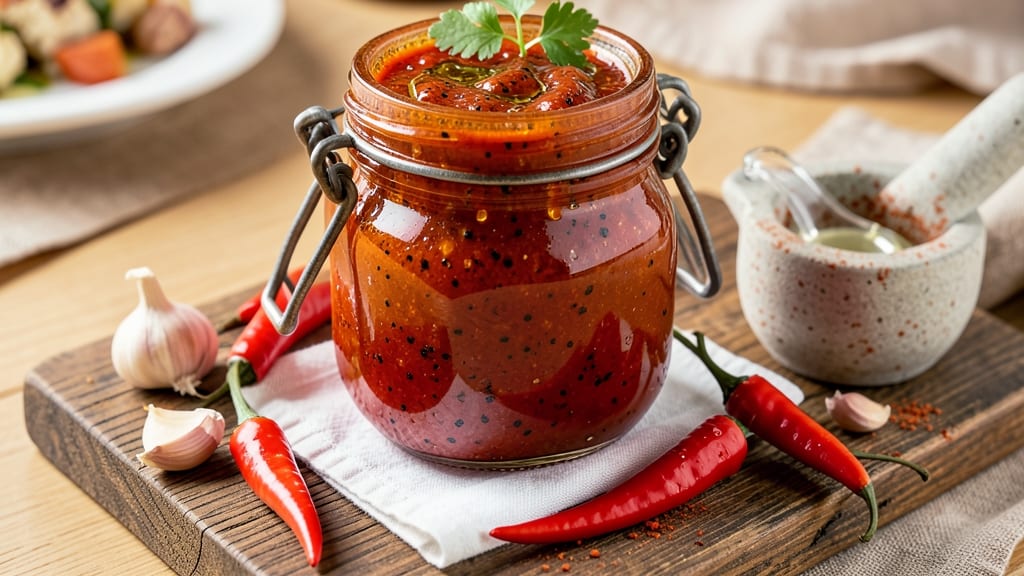
Alvin's hot sauce recipe delivers a bold fusion of smoky cayenne and garlic that transforms any dish into a flavor explosion. This isn't your average hot sauce—it's a carefully balanced blend of heat, depth, and complexity that builds with every use.
The secret lies in slow-cooking the peppers and garlic to extract maximum flavor before blending with vinegar and spices, creating a sauce that's both intense and versatile. What sets this recipe apart is the smoky element, achieved through a traditional technique of charring the peppers before cooking.
This method adds a layer of complexity that store-bought sauces simply can't match. Whether you're a hot sauce enthusiast or just looking to elevate your meals, this recipe delivers restaurant-quality heat with a fraction of the effort.
The process is straightforward but requires patience—allowing the sauce to ferment for at least a week develops its full depth of flavor. No special equipment is needed beyond a blender and clean jars, making it accessible for home cooks. The result?
A sauce that's rich, aromatic, and perfectly balanced, with just the right amount of kick to leave your taste buds tingling. Perfect for drizzling on tacos, mixing into marinades, or serving as a bold condiment, this hot sauce is a game-changer for any kitchen.
Let's get started on creating your own batch of Alvin's signature heat.
Ingredients for alvin's hot sauce
Nine essential ingredients crafting restaurant-quality heat with smoky depth and complex balance.
| Ingredient | Amount | Notes |
|---|---|---|
| Fresh Cayenne Peppers 🌶️ | ½ lb | Chopped, stems and seeds removed |
| Garlic Cloves 🧄 | 8 whole | Peeled, slightly crushed |
| White Vinegar 💧 | 2 cups | Distilled, 5% acidity preferred |
| Extra-Virgin Olive Oil 🫒 | ½ cup | High quality, fruity variety |
| Granulated Garlic 🧄 | 1 tbsp | For additional depth |
| Smoked Paprika 🌶️ | 1 tbsp | For authentic smoky flavor |
| Ground Cumin 🌿 | 1 tsp | Toasted for enhanced aroma |
| Kosher Salt 🧂 | 1 tsp | Diamond Crystal preferred |
| Black Peppercorns 🌶️ | ½ tsp | Freshly cracked for intensity |
| Onion Powder 🧅 | ½ tsp | For subtle sweetness |
The cayenne peppers are the heart of this sauce, so prioritize quality. Local farmers markets often carry fresher, more vibrant peppers than grocery stores. Look for firm, glossy peppers with no soft spots—Carolina Reaper or Habanero varieties add extreme heat, while Jalapeño or Fresno offer milder complexity. Char them directly over a gas flame or under a broiler for that coveted smoky depth. The garlic should be fresh, with a pungent aroma—Elephant garlic adds a sweeter note if available. For vinegar, Heinz or Texas Pete are reliable choices, though apple cider vinegar can introduce subtle fruitiness.
No fresh cayenne peppers? Dried cayenne powder at half the amount works in a pinch, though texture will differ. Substitute granulated garlic with powdered garlic at the same ratio, but fresh is ideal for that aromatic punch. Running low on smoked paprika? Liquid smoke at 1/4 tsp mimics the smokiness, though it lacks depth. For vinegar alternatives, rice vinegar or balsamic can work, though acidity levels will vary. The olive oil matters—California avocado oil has a neutral profile that won't compete with the bold flavors. If you prefer less heat, reduce the cayenne by 1/3 and increase the garlic proportionally.
Store your hot sauce in sterilized glass jars with airtight lids to preserve freshness. The sauce develops complexity over time—ferment for 1-2 weeks at room temperature before refrigeration. Once opened, it keeps for 6-12 months in the fridge, though flavor peaks at 3-4 months. For single-serving use, portion into ice cube trays and freeze. The sauce thickens as it ferments, so shake well before each use. If it becomes too thick after refrigeration, thin with a splash of vinegar or water. Always use clean utensils when sampling to prevent contamination.
Why You'll Love This Recipe
- No-Chop Needed: I swear, this sauce is one of those rare recipes where you don’t even need to chop the cayennes—just slice them thin, soak in vinegar, and let the acid work its magic. The garlic? You can crush it with the flat side of your knife in 30 seconds flat.
- Garlic Bomb Heat: That double garlic punch—fresh cloves and granulated—gives it this layered kick that’s smoky, sharp, and just spicy enough to linger. Honestly, the first time I tasted it, I immediately reached for the eggs to fry in it.
- Game for Any Meal: Drizzle it on scrambled eggs, toss it with pasta, or use it to wake up a simple grilled cheese. I keep a bottle in the fridge because it’s the one sauce that turns everything into something special—no matter what’s on the menu.
- Lasts for Weeks: A single batch stretches forever because you only need a teaspoon or two per dish. Between us, I’ve had this sauce sitting in my fridge for months—the vinegar keeps it fresh, and the oil prevents it from separating. That’s 20 bucks’ worth of flavor for pennies.
Step-by-step instructions for Alvin's hot sauce recipe
Mastering this smoky cayenne and garlic fusion requires precision—follow these exact steps for balanced heat and depth.
Sterilize Jars and Prepare Peppers
Begin by sterilizing your hot sauce jars and lids in boiling water for 10 minutes. This ensures a clean, safe environment for your sauce to ferment properly. While the jars sterilize, chop the 0.5 lb fresh cayenne peppers into ¼-inch pieces, removing stems and seeds. The seeds contain the hottest capsaicin, so removing them gives you a cleaner, more controlled heat profile.
Place the chopped peppers in a large bowl and set aside. Here's the thing—fresh cayennes should be bright red and firm. If they're soft or discolored, the heat will be muted. For maximum flavor, I like to sprinkle the chopped peppers with 1 tsp kosher salt and let them sit for 15 minutes to draw out excess moisture. This prevents dilution when we add the vinegar later.
Toast Garlic and Spices for Depth
In a dry skillet over medium heat, add the 8 whole garlic cloves and toast them for 2-3 minutes until golden and fragrant. This step develops complex, nutty flavors that cut through the heat. Don't let them burn—they should smell sweet and aromatic, not acrid.
While the garlic toasts, combine the 1 tbsp smoked paprika, 1 tsp ground cumin, 0.5 tsp black peppercorns, and 0.5 tsp onion powder in a small bowl. Toast these spices in the same skillet for 1 minute until the cumin releases its earthy aroma. Let everything cool completely before proceeding—this prevents the spices from scorching when you add the vinegar.
Create the Base Infusion
In a large, non-reactive pot (stainless steel or enamel), combine the toasted garlic, spice mixture, 2 cups white vinegar, and 1 tbsp granulated garlic. Bring to a gentle simmer over medium-low heat for 10 minutes, stirring occasionally. The vinegar should infuse with the garlic and spices, developing a deep, smoky aroma.
Remove from heat and let the mixture cool to room temperature. This infusion forms the backbone of your hot sauce—its acidity will preserve the peppers and balance their heat. I know it seems counterintuitive to wait, but rushing this step can lead to cloudy sauce or uneven flavor distribution later.
Combine and Bottle the Sauce
Once the infusion is cool, add the salted chopped peppers and 0.5 cup extra-virgin olive oil to the pot. Stir gently to combine, ensuring the peppers are fully submerged in the liquid. The olive oil adds richness and helps emulsify the sauce, preventing separation.
Ladle the hot sauce mixture into your sterilized jars, leaving ½-inch headspace at the top. This space allows for expansion during fermentation. Seal the jars tightly and let them sit at room temperature for 7 days, shaking gently each day to distribute flavors evenly. After a week, transfer the jars to the refrigerator to halt fermentation.
Age and Test for Perfection
Let the hot sauce age in the refrigerator for at least 2 weeks, though I prefer 4 weeks for maximum depth of flavor. The longer it ages, the more balanced and complex the heat becomes. Every 3-4 days, give the jars a gentle shake to redistribute any settled peppers.
After aging, taste the sauce and adjust seasoning if needed. If it's too hot, add a splash of vinegar to balance. If it's too mild, let it age another week. The perfect sauce should have a bright, smoky heat with layers of garlic and cumin. Store in the refrigerator for up to 6 months, or can the sauce for long-term preservation.
Pro Tips For Making Alvin'S Hot Sauce
- SIMMER LOW AND SLOW: After burning my first batch of cayennes, I learned to keep the heat at a gentle simmer—not a rolling boil. This recipe relies on flavor extraction, not charring, so a steady 30-45 minutes on medium-low is better than 15 minutes of aggressive bubbling. Trust me, your sauce won’t taste like a campfire.
- DESEED CAYENNES LIKE A PRO: Don’t just slice and dump—make a clean vertical cut down the center of each pepper, then scrape out the seeds with a spoon. The membranes hold bitter compounds, and leaving them in turns your hot sauce from bright and clean to muddy and harsh. (Yes, even if you love heat, you’ll notice the difference.)
- VINEGAR FIRST, THEN OIL: Combine the vinegar and olive oil after the peppers and garlic have simmered for 10 minutes. Adding oil too soon creates a greasy film that locks in moisture, which dilutes the heat and acidity. Let the peppers sweat out their oils first—then hit it with the vinegar for a sharper, more balanced sauce.
- GRANULATED GARLIC AFTER STRAINING: Skip the minced garlic in the initial simmer—it burns easily and adds a bitter edge. Instead, stir in the granulated garlic after straining the sauce, when it’s already cooled slightly. This keeps the garlic’s punch without turning your sauce into a charred mess. (I’ve done it both ways—this is the winner.)
Serving suggestions for this alvin's hot sauce
Taco Night Elevation
Transform your taco game by drizzling this hot sauce over crispy carne asada or shredded pork carnitas just before serving. The smoky cayenne and garlic cut through the richness of fatty meats beautifully.
For extra drama, warm the sauce slightly in a small saucepan with 1 tsp honey to balance the heat and add a subtle caramelized depth. 🌶️
Dipping Sauce Powerhouse
Serve this hot sauce as a bold dipping companion for fried chicken tenders, shrimp, or even veggie sticks. Mix 1 tbsp of the sauce with 2 tbsp sour cream and a pinch of fresh cilantro for a creamy, spicy dip that’s perfect for game day or snack platters.
The acidity in the vinegar keeps the sauce from overwhelming the creamy base.
Marinade Magic
Use this hot sauce as a marinade base for grilled meats or tofu. Combine ¼ cup of the sauce with 2 tbsp olive oil, 1 tbsp soy sauce, and 1 minced garlic clove for a 30-minute marinade that infuses bold heat and smoky depth.
It works especially well with chicken thighs or portobello mushrooms for a restaurant-worthy flavor punch. 🔥
Pasta and Pizza Perfection
Toss 1-2 tbsp of this hot sauce into creamy Alfredo sauce or pesto for a quick, spicy upgrade. For pizza, drizzle it over mozzarella and pepperoni before baking, or use it as a finishing sauce for white pizza with ricotta and prosciutto.
The smoky notes complement the richness of cheese beautifully, while the heat adds excitement.
Cocktail Kickstarter
Add ½ tsp of this hot sauce to your favorite cocktails for a spicy twist. It pairs exceptionally well with margaritas (add to the salt rim or mix into the tequila), whiskey sours, or even beer (like a Mexican lager).
For a non-alcoholic option, stir 1 tsp into iced tea or ginger ale for a refreshing, zesty drink. 🍹
Breakfast Boost
Start your day with a kick by mixing 1 tbsp of this hot sauce into scrambled eggs, bacon grease, or even avocado toast. The smoky garlic and cayenne wake up your taste buds, while the acidity cuts through the richness of breakfast fats.
For extra flair, top with crumbled feta and a sprinkle of fresh parsley.
Nutrition facts
Frequently asked questions
Can I adjust the heat level in this hot sauce?
For milder heat, reduce the cayenne peppers by 1/3 and add 1 extra garlic clove to balance. For extra spice, keep the seeds in 2-3 peppers or add ½ tsp cayenne powder during fermentation. Always taste before bottling—adjust gradually to avoid overwhelming heat.
Why does my hot sauce look cloudy after fermentation?
Cloudiness usually means the peppers weren't fully submerged in vinegar during fermentation. Stir the sauce gently and let it sit for 24 hours to redistribute flavors. If it persists, strain through a fine-mesh sieve or blend again briefly. For prevention, ensure all ingredients are fully combined before bottling.
How do I remove the heat if my sauce is too spicy?
Mix in 1-2 tbsp milk or sour cream per ½ cup sauce to dilute the capsaicin. The fat binds with the heat compounds, reducing intensity. For a cleaner taste, add a splash of vinegar to restore balance. Avoid water—it can make the sauce watery and separate the flavors.
Can I make this hot sauce without fresh cayenne peppers?
Yes! Substitute with ½ cup dried cayenne powder (adjust heat to taste) or 1-2 habanero peppers for extreme heat. For milder options, use jalapeños or serranos. Char the dried peppers first to mimic the smoky depth. Note: texture will differ slightly, but flavor remains bold and aromatic.
How long can I safely store homemade hot sauce?
Unopened jars last 6-12 months in the pantry, while opened sauce keeps 3-6 months refrigerated. For long-term storage, can the sauce using a water bath for 10 minutes (pH must be 4.6 or lower for safe canning). Always check for mold or off smells—discard if anything seems unusual.