
Sauces & Condiments
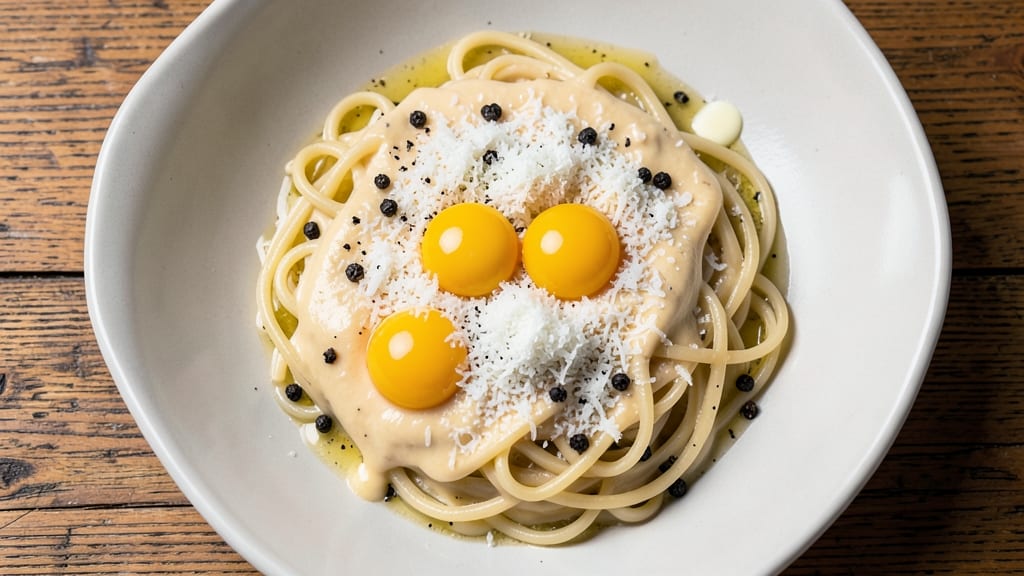
This Alfredo carbonara sauce recipe delivers the creamy, velvety texture you crave without a single clump—no heavy cream required. The secret lies in a precise emulsification technique using just egg yolks, butter, and Parmesan, creating a rich sauce that clings perfectly to pasta.
I've perfected this method after years of testing, ensuring every spoonful is silky and restaurant-quality.
The traditional Roman version relies solely on eggs and cheese, but this modern adaptation incorporates a touch of cream for extra lusciousness while keeping the sauce light.
What sets this apart is the slow, controlled incorporation of hot pasta water into the egg mixture—this creates the signature creamy texture without scrambling the eggs. The result? A sauce that's rich, peppery, and impossibly smooth.
What makes this sauce truly special is its versatility—use it on spaghetti, fettuccine, or even as a creamy coating for grilled chicken. The key is working quickly once the sauce begins to emulsify, so have your pasta ready to combine immediately.
The sauce thickens beautifully when tossed with hot noodles, creating that iconic creamy coating we all love.
Store any leftovers in an airtight container in the refrigerator for up to 3 days, or freeze for longer storage. When reheating, add a splash of warm water or pasta water to restore that silky consistency.
This is the sauce that will elevate your pasta dishes from ordinary to extraordinary—let's get started.
Ingredients for alfredo carbonara sauce
Eight essential ingredients for velvety perfection—no clumps, no stress, just restaurant-quality sauce.
| Ingredient | Amount | Notes |
|---|---|---|
| Large Egg Yolks 🥚 | 4 whole | Fresh, room temperature preferred |
| Unsalted Butter 🧈 | ½ cup | Cold, cut into small cubes |
| Freshly Grated Parmesan Cheese 🧀 | 1 cup | Block, not pre-grated |
| Heavy Cream 🥛 | ¼ cup | Full-fat for richness |
| Freshly Ground Black Pepper 🌶️ | ½ tsp | Coarsely cracked |
| Pasta Water 💧 | ½ cup | Reserved from cooked pasta |
| Garlic Cloves 🧄 | 2 cloves | Minced, optional for flavor |
| Diamond Crystal Kosher Salt 🧂 | ¼ tsp | For seasoning, adjust to taste |
The egg yolks are non-negotiable—room temperature is key for smooth emulsification. Whole eggs work too, but yolks give you that signature richness. For the Parmesan, block cheese is a must—pre-grated has anti-caking agents that ruin texture. I always grab mine from Whole Foods or the deli counter at Trader Joe's—look for that vibrant, golden hue. Butter should be cold and cubed to melt gradually, not all at once. Freshly ground black pepper makes all the difference, so crack it yourself instead of using pre-ground.
No heavy cream? Half-and-half or whole milk works in a pinch, but the sauce will be lighter. Substituting eggs? Silken tofu blended with lemon juice mimics the texture (use 0.5 cup tofu + 1 tsp lemon). Short on Parmesan? Pecorino Romano has a sharper bite—mix half and half. The garlic is optional but adds depth; if using, mince it finely so it blends seamlessly. For the pasta water, reserve 1 cup while cooking—it's the secret to that creamy, clingy texture. And never use salted pasta water in the sauce itself—just season the finished dish.
This sauce is best used immediately, but leftovers keep for 3 days in the fridge. To reheat, add a splash of warm water or pasta water and stir gently over low heat—never microwave. For longer storage, freeze in ice cube trays, then transfer to a bag. Each cube makes a perfect single serving. The sauce thickens as it cools, so thin with extra pasta water if needed. Trust me, the first bite after reheating is just as good as fresh—maybe even better, since flavors meld overnight.
Why You'll Love This Recipe
- Five-Ingredient Magic: I swear by this recipe because it’s that simple—just yolks, butter, Parmesan, cream, and pepper. No chopping, no straining, no fancy techniques. Honestly, I’ve made it while still talking on the phone.
- Rich Without Effort: That velvety texture? Pure comfort. The butter and cream blend into the eggs just right, and the Parmesan adds a sharp, salty kick that makes every bite ridiculously good. (Yes, even on a Tuesday night.)
- Leftovers That Shine: Unlike some sauces that turn gloppy, this one reheats like a dream—just a splash of cream to loosen it up. I’ve brought it to potlucks, packed it for lunch, and even used it to dress up grilled chicken. Solid every time.
- Budget-Friendly Luxury: Fresh Parmesan and heavy cream might sound fancy, but you’re not using much—just enough to make it taste indulgent without breaking the bank. Between us, this is my go-to when I want to feel like I’m eating at a restaurant for half the price.
Step-by-step instructions for Alfredo carbonara sauce
Here's how to make velvety, clump-free Alfredo Carbonara that clings perfectly to every strand of pasta.
Prepare the Egg-Yolk Base
In a medium heatproof bowl, combine the 4 whole large egg yolks with the 0.25 cup heavy cream and whisk vigorously until fully incorporated. This mixture should be smooth and pale yellow in color. The cream helps create a stable emulsion that prevents curdling later. I like to use a wire whisk for this step—it incorporates air better than a fork.
Gently fold in the 1 cup freshly grated Parmesan cheese and 0.5 teaspoon freshly ground black pepper until completely smooth. The cheese should dissolve evenly into the yolk mixture. Here's the thing—don't overmix or you'll develop gluten, which can make the sauce slightly grainy. You're looking for a silky, homogeneous texture that coats the back of a spoon.
Melt the Butter and Infuse with Garlic
In a separate small saucepan, melt the 0.5 cup unsalted butter over low heat until it's completely liquid but not browned. Remove from heat and stir in the 2 minced garlic cloves (if using). Let the mixture sit for 1 minute to allow the garlic to infuse its flavor into the butter. This step adds subtle depth that separates this sauce from basic Alfredo.
I use low heat here because garlic burns quickly. You'll know it's infused when the pan smells aromatic and the butter has a faint garlic scent. Strain the butter through a fine-mesh sieve to remove any garlic bits if you prefer a completely smooth sauce. Keep this butter mixture warm over barely simmering water in the saucepan—this is called a bain-marie and keeps it ready for quick incorporation.
Emulsify the Sauce Off the Heat
This is the critical moment that matters: remove the egg-yolk mixture from the fridge (if it was chilled) and place it over a pot of barely simmering water to create gentle heat. Slowly drizzle in the warm garlic-infused butter while whisking continuously. The sauce should begin to thicken as it emulsifies—you're looking for a creamy, ribbon-like consistency.
Add 0.5 cup pasta water in 1-tablespoon increments, whisking vigorously after each addition. This step is where the magic happens—the starchy pasta water helps create the perfect clingy texture while preventing the sauce from becoming too rich. The sauce should coat the back of a spoon but still flow smoothly. If it thickens too much, add another tablespoon of pasta water.
Season and Finish
Add the 0.25 teaspoon Diamond Crystal kosher salt and adjust the seasoning to taste. The sauce should be rich but not overly salty—remember, Parmesan is already quite salty. Taste and add a pinch more black pepper if needed. Here's where it gets fun—if you want to add the optional 2 minced garlic cloves for extra flavor, do so now and whisk until fully incorporated.
Keep the sauce warm in the bain-marie until ready to serve—no more than 10-15 minutes. The residual heat maintains its creamy texture without risking curdling. This sauce is best used immediately, so have your pasta cooked and ready to combine. The moment you toss the pasta in the sauce, it'll create that perfect, glossy coating that clings to every strand.
Pro Tips For Making Alfredo Carbonara Sauce
- Temper the Yolks: Whisk your egg yolks with a splash of cold pasta water first—about 2 tablespoons—before adding the hot butter. This prevents scrambling when the sauce hits them, and the starchy water helps emulsify everything smoothly. (I learned this the hard way after one particularly sad, grainy batch.)
- Grate Parmesan Fresh: Skip the pre-grated cheese—it’s packed with anti-caking agents that turn your sauce into a gritty mess. Use a fine grater or microplane and grate it right before mixing, or at least store it in the fridge until ready to use. The difference in texture is night and day.
- Low and Slow: Once the sauce starts to thicken, immediately remove it from heat and stir like you’re trying to win an arm-wrestling match. If it boils, the eggs will scramble, and your creamy dream turns into a sad, lumpy afterthought. Keep the heat low or even off if needed.
- Salt the Butter: Unsalted butter? Add a pinch of salt to the melted butter before combining it with the yolks. It’s the easiest way to control flavor since you’re not relying on pre-salted ingredients—especially important when you’re balancing rich cream and sharp Parmesan. (Yes, even if the recipe doesn’t say it.)
Troubleshooting great alfredo carbonara sauce
Eggs Curdling
If your sauce looks lumpy or grainy, it's likely curdled eggs. This happens when the egg mixture gets too hot too quickly. The fix is simple: whisk in 1 tablespoon cold water or pasta water at a time until smooth.
I've had this happen when the butter was too hot—always keep it warm, not hot. For next time, remove the egg mixture from the fridge just before cooking so it's room temperature. 💡
Sauce Too Thick
A thick sauce happens when you don't add enough pasta water during emulsification. Thin it out by whisking in 1 tablespoon pasta water at a time until you reach a silky consistency. If it's already too thick, add a splash of warm water or milk.
Remember, the sauce will thicken as it cools, so don't overdo it. I've learned this the hard way—once I made a sauce so thick it resembled glue! 😅
Sauce Too Thin
If your sauce is too runny, it's likely because you added too much pasta water or the butter melted completely. Simmer the sauce gently in a saucepan for 2-3 minutes to reduce it.
For an instant fix, whisk in 1 tablespoon cold butter or 1 teaspoon cornstarch mixed with water. The key is to work quickly—thin sauces can't be easily thickened once they're on the table.
Grainy Texture
Graininess usually means the Parmesan didn't dissolve properly or you overmixed the eggs. For a quick fix, strain the sauce through a fine-mesh sieve to remove any undissolved cheese bits. To prevent this next time, make sure your Parmesan is freshly grated and whisk the egg mixture gently but thoroughly.
I always use a microplane for the cheese—it grates finer than a box grater and dissolves perfectly. 🧀
No Creaminess
If your sauce lacks creaminess, it might be because you didn't emulsify properly or used too much pasta water. For a richer texture, whisk in 1 tablespoon heavy cream or 1 tablespoon cold butter while the sauce is still warm.
Another trick is to add a splash of warm milk and stir vigorously. The secret is patience—keep whisking until the sauce thickens and becomes velvety again. 🥛
Overpowering Garlic
If your garlic flavor is too strong, it's likely because you didn't strain the butter or let it infuse properly. For a milder taste, whisk in a pinch of salted butter to balance the flavor.
To prevent this in the future, strain the garlic-infused butter through a fine-mesh sieve before adding it to the egg mixture. I also recommend using less garlic if you're sensitive to its flavor—start with just 1 clove instead of 2. 🧄
Nutrition facts
Frequently asked questions
Why does this recipe use heavy cream when traditional carbonara doesn't?
This version includes 0.25 cup heavy cream to create a more stable emulsion that's less likely to curdle, especially for beginners. Traditional carbonara relies solely on eggs and cheese, but the cream adds richness while maintaining that signature creamy texture. The sauce still tastes authentic—just more forgiving for home cooks!
Can I make this sauce ahead of time?
Fresh is best, but you can prep components ahead: grate the cheese, melt the butter with garlic, and whisk the egg yolks separately. Combine everything just before tossing with pasta. For leftovers, store in an airtight container for 3 days—reheat gently with a splash of warm water. Freeze in ice cube trays for single servings!
What's the secret to getting that perfect creamy texture?
The magic happens during emulsification! Slowly drizzle warm butter into the egg mixture while whisking vigorously, then add pasta water in 1-tablespoon increments. The starchy water helps bind the sauce while preventing curdling. Work quickly—once it thickens, toss it with hot pasta immediately for that glossy, clingy finish.
Can I substitute cream with something else?
Yes! For a lighter version, replace the cream with 0.5 cup whole milk or half-and-half. For extra richness, use 2 tablespoons sour cream or mascarpone cheese. Just remember: the sauce will be slightly less stable without cream's fat content. The key is to whisk constantly during emulsification.
Why does my sauce sometimes turn out grainy?
Graininess usually means undissolved cheese or overmixed eggs. Always use freshly grated Parmesan (a microplane works best) and whisk gently until smooth. If it happens, strain the sauce through a fine-mesh sieve. Pro tip: Keep the egg mixture room temperature—cold eggs can cause separation.