
Sauces & Condiments
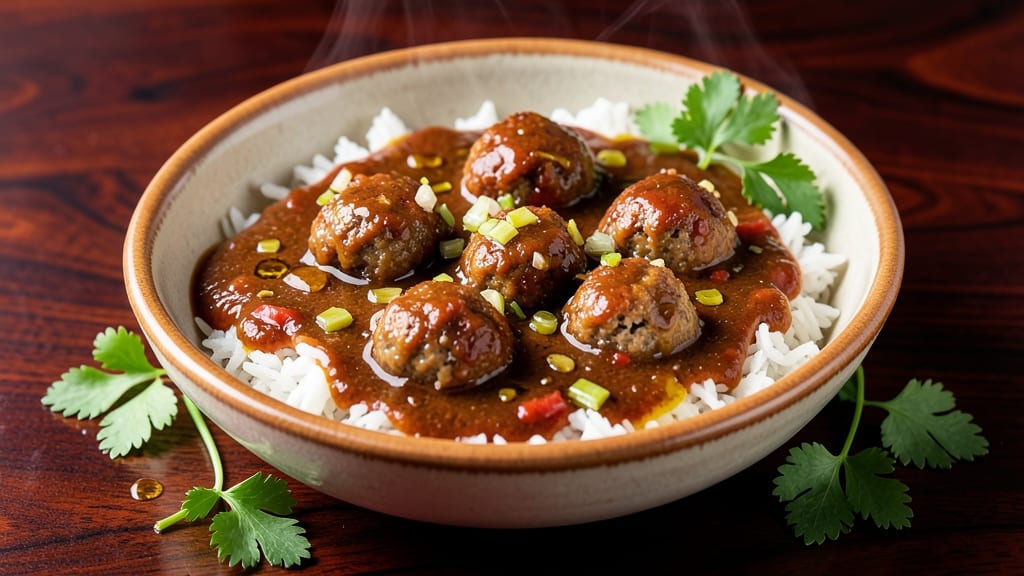
This albondigas sauce recipe transforms simple ingredients into a velvety, aromatic masterpiece that elevates every bite of Spanish meatballs. The secret lies in slow-simmered tomatoes, finely chopped celery crowns, and fresh basil that infuse the sauce with layers of flavor—rich, bright, and perfectly balanced.
What sets this apart is the technique of blending the sauce smooth yet leaving subtle texture from the celery, creating depth that store-bought versions simply can't match.
The foundation begins with sautéed onions and garlic, which form the aromatic base before adding crushed tomatoes and vegetable broth. Simmering low and slow allows the flavors to meld while the celery crowns break down into a silky, almost undetectable texture that adds complexity.
Fresh basil, added at the end, brings that signature herbal brightness without overpowering the dish.
What you'll achieve is a sauce so rich and flavorful it turns ordinary meatballs into a restaurant-worthy meal. The velvety consistency clings perfectly to each albóndiga, delivering every layer of tomato, garlic, and herb in every bite.
It's the kind of sauce that makes you want to linger over dinner, savoring each spoonful.
This recipe doubles beautifully for leftovers, making it ideal for meal prep or entertaining. The sauce keeps its velvety texture when reheated, ensuring your albondigas stay moist and flavorful. Whether serving with crusty bread or over rice, this sauce will become your go-to for Spanish-inspired dinners.
Ingredients for albondigas sauce
Ten ingredients crafting restaurant-quality albondigas sauce with velvety tomato depth and celery crown texture.
| Ingredient | Amount | Notes |
|---|---|---|
| Yellow Onions 🧅 | 1 whole | Finely diced, about 1.5 cups |
| Garlic Cloves 🧄 | 4 cloves | Peeled and minced |
| Celery Crowns 🥬 | 2 whole | Finely chopped, about 1 cup |
| Canned Crushed Tomatoes 🍅 | 28 oz | High-quality San Marzano preferred |
| Vegetable Broth 💧 | 2 cups | Low-sodium preferred |
| Extra-Virgin Olive Oil 🫒 | ¼ cup | For sautéing, high quality |
| Fresh Basil Leaves 🌿 | ½ cup | Packed, stems removed |
| White Wine 🍷 | ½ cup | Dry, like Sauvignon Blanc |
| Salt 🧂 | 1 ½ tsp | Diamond Crystal kosher salt |
| Black Pepper 🌶️ | ½ tsp | Freshly ground |
The celery crowns are non-negotiable for that signature texture. Look for fresh, crisp stalks at farmers markets—they hold their shape better than store-bought. San Marzano crushed tomatoes are worth the investment; their sweetness and consistency make all the difference. For the vegetable broth, low-sodium options like Pacific Foods prevent salt buildup during simmering. The white wine should be dry—Sauvignon Blanc or Pinot Grigio work perfectly, but avoid anything oaky. Fresh basil is essential here—grow your own or buy from the market where leaves stay vibrant longer than grocery store containers.
No San Marzano tomatoes? High-quality canned tomatoes like Muir Glen will work in a pinch, but you may need to strain for smoother texture. Substitute wine with extra vegetable broth plus 1 tsp balsamic vinegar for acidity. Fresh basil unavailable? Dried basil at one-third the amount maintains flavor, though texture will differ. For the celery, substitute finely chopped fennel if needed—it adds a subtle anise note that pairs beautifully. The olive oil should be extra-virgin with fruity notes; avoid light or refined oils that lack flavor complexity.
This sauce doubles beautifully for meal prep. Store in airtight containers with a thin layer of olive oil on top to preserve freshness. Keeps for 5-6 days in the fridge and freezes for 3 months without texture degradation. For serving, gently reheat on low heat—never boil—to maintain its velvety consistency. The celery crowns will break down further, creating that signature silky mouthfeel that makes this sauce truly exceptional.
Why You'll Love This Recipe
- Sofa-Side Simplicity: I swear by this sauce because it’s the kind of recipe that lets me sip wine while chopping. Dice the onions, mince the garlic, and chop the celery—no fancy techniques, just a knife and a cutting board. The crushed tomatoes and broth do all the heavy lifting while I stir, making it my go-to when I’d rather not stand at the stove for hours.
- Umami Bomb: That first spoonful of simmered onions, garlic, and celery? It’s like a flavor explosion in your mouth. The crushed tomatoes add a deep, tangy richness, while the broth keeps it balanced—no bitterness, just pure, satisfying depth. Honestly, it’s the kind of sauce that makes you close your eyes and savor it.
- Weeknight Workhorse: This sauce is my secret weapon for busy nights. Toss it with rice for a quick dinner, serve it over pasta, or use it as a base for albóndigas (meatballs). It even reheats beautifully, so I often make a big batch on Sundays—leftovers become Tuesday’s lunch without a second thought.
- Pantry Magic: Between us, this recipe is a budget-friendly lifesaver. You’re using simple, affordable ingredients that probably already live in your cupboard. No specialty items, no last-minute grocery runs—just open a can, chop what you have, and let it simmer. It’s the kind of meal that makes you feel like you’re cooking a gourmet dish without breaking the bank.
Step-by-step instructions for albondigas sauce
This classic Spanish sauce builds flavor through precise technique and layered ingredients.
Sauté the Vegetable Base
Heat the 0.25 cup extra-virgin olive oil in a medium saucepan over medium heat. Add the 1 whole yellow onions and 2 whole celery crowns, cooking for 5-6 minutes until softened and translucent. The onions should release their sweetness while the celery develops a subtle bitterness—this foundational flavor carries through the entire dish.
Add the 4 cloves garlic cloves and cook for an additional 1 minute until fragrant. Be careful not to let the garlic brown, as it will impart a bitter taste. I press the garlic into the vegetables with a wooden spoon to ensure even distribution of flavor. This step creates the aromatic backbone that supports all subsequent ingredients.
Deglaze with Wine and Add Tomatoes
Pour in the 0.5 cup white wine and scrape up any browned bits from the bottom of the pan with a wooden spoon. This deglazing technique captures all the concentrated flavors that would otherwise be lost. Let the wine simmer for 3-4 minutes until reduced by half, allowing the alcohol to cook off and intensify the flavor.
Stir in the 28 oz canned crushed tomatoes and bring the mixture to a gentle simmer. The tomatoes should bubble softly but not violently. This simmering process breaks down the tomato fibers, creating a smoother sauce texture. I like to use a wooden spoon to stir occasionally and prevent the mixture from sticking to the bottom of the pan.
Build Depth with Broth and Seasonings
Add the 2 cups vegetable broth, 1.5 tsp salt, and 0.5 tsp black pepper to the saucepan. Stir well to combine all ingredients thoroughly. Bring the mixture to a gentle boil, then reduce the heat to low and let it simmer uncovered for 20-25 minutes. This slow cooking allows the flavors to meld and develop complexity.
During this time, I taste the sauce periodically and adjust the seasoning as needed. The sauce should be well-seasoned but not overly salty. The celery and onion will have softened completely, creating a subtle texture that contrasts with the smooth tomato base. This step transforms the individual ingredients into a cohesive, flavorful sauce.
Finish with Fresh Basil
Remove the saucepan from heat and stir in the 0.5 cup fresh basil leaves. The basil adds a bright, aromatic note that cuts through the richness of the tomatoes and enhances the overall flavor profile. I like to tear the basil leaves by hand rather than chopping them, which helps preserve their delicate texture and flavor.
Let the sauce sit off the heat for 5 minutes to allow the basil to infuse fully. The sauce should be thick enough to coat the back of a spoon but still have a velvety consistency. If it's too thick, you can thin it with a splash of warm water or additional vegetable broth. This final step ensures the sauce reaches its full potential before serving.
Pro Tips For Making Albondigas Sauce
- Sweat the Onions Low: I learned this the hard way—cranking the heat too high on the onions and garlic turns your sauce bitter before it even hits the tomatoes. Keep it at a steady simmer, stirring often, until they’re translucent but not browned. That golden moment? That’s when you add the celery, not before.
- Mince Garlic Like It’s 1985: Pre-grated garlic in jars is convenient, but it burns faster and adds a chemical taste. Use a knife and chop those cloves into a fine paste—no need for a food processor. You’ll notice the difference when the sauce builds depth instead of turning acrid.
- Simmer the Tomatoes Longer: The crushed tomatoes need at least 15 minutes of simmering to break down properly. Skimp on time, and your sauce will taste thin and underdeveloped. Add a splash of broth early if it gets too thick, but let it cook—patience here makes the sauce rich and cohesive.
- Deglaze with Broth, Not Water: After browning the meatballs, don’t grab the water. Use vegetable broth to scrape up those browned bits from the pan—it’s flavor gold. A quick splash (about ½ cup) adds depth without diluting the sauce. (Yes, even if you’re impatient like me.)
Troubleshooting this recipe
Sauce Too Thin?
If your sauce is too thin after simmering, don’t panic—this happens when tomatoes release excess liquid. Reduce heat to low and simmer uncovered for an extra 10-15 minutes, stirring occasionally.
For faster thickening, mix 1 tablespoon cornstarch with 2 tablespoons cold water, stir into the sauce, and simmer for 3-5 minutes until it reaches your desired consistency. 💧
Sauce Too Thick?
Over-thickened sauce often results from reducing too long or using low-quality tomatoes. Thin it gradually with warm vegetable broth, 1 tablespoon at a time, while stirring constantly. Avoid cold liquids—they can shock the sauce and cause separation.
For a smoother texture, blend the sauce briefly in a high-speed blender (like a Ninja BN601), then return it to the pan. ✨
Celery Not Breaking Down?
If celery remains fibrous after simmering, it likely wasn’t chopped finely enough. Next time, dice it into smaller pieces (about ¼-inch cubes) and simmer for an additional 5-10 minutes.
For extra help, add ½ cup extra vegetable broth to speed up the breakdown process. The goal is silky texture—almost undetectable but adding depth. 🥬
Sauce Tastes Flat?
Flat flavor usually means the sauce needs more acidity or salt. Brighten it with 1 teaspoon balsamic vinegar or lemon juice, or deepen it with a pinch of smoked paprika or red pepper flakes.
Taste as you go—Diamond Crystal kosher salt is key here. If the wine didn’t fully reduce, simmer uncovered for another 5 minutes to let the alcohol cook off. 🌶️
Basil Floating on Top?
This happens when basil isn’t fully incorporated. Remove the pan from heat, stir vigorously, and let it steep for 5 minutes before serving. For a smoother texture, blend the sauce briefly (without the basil), then stir in the leaves at the end.
If you prefer visible basil, tear the leaves into smaller pieces before adding them. 🌿
Preventing Skin Formation
Sauce skins form when exposed to air during simmering. Cover the pan with a lightweight lid (or foil) for the last 10 minutes of cooking, leaving a small gap for steam to escape.
Alternatively, stir the sauce gently every 5 minutes to break up surface tension. For leftovers, store in an airtight container with a thin layer of olive oil on top to preserve freshness. 🍲
Nutrition facts
Frequently asked questions
Can I make this sauce without wine?
Yes! Replace the 0.5 cup white wine with 0.5 cup vegetable broth plus 1 teaspoon balsamic vinegar for acidity. The sauce will still develop depth, though the wine adds a subtle complexity that's hard to replicate. For a richer flavor, try 1 teaspoon soy sauce instead of vinegar.
How long can I store this sauce?
This sauce keeps beautifully in an airtight container in the fridge for 5-6 days. For longer storage, freeze it for up to 3 months. To preserve texture, store with a thin layer of extra-virgin olive oil on top. Thaw overnight in the fridge before reheating gently on low heat.
What's the secret to getting that perfect celery texture?
The celery should break down into a silky, almost undetectable texture while still adding subtle depth. Dice it into small pieces (¼-inch cubes) and simmer for the full 20-25 minutes. If it's still too fibrous, add ½ cup extra broth and simmer another 5 minutes. The key is patience—don't rush this step!
Can I use dried basil instead of fresh?
You can, but fresh basil makes a bigger difference in flavor and aroma. If using dried, reduce to 1 tablespoon (about one-third the amount). For best results, add dried basil with the tomatoes and simmer it in. Fresh basil adds vibrant notes that dried can't fully replicate.
How do I know when the sauce is ready?
The sauce is ready when it coats the back of a spoon smoothly but still has a velvety consistency. It should smell rich with tomato, garlic, and basil aromas. Taste it—it should be well-seasoned but not overly salty. The celery should be completely broken down, adding subtle texture without being noticeable.