
Sauces & Condiments
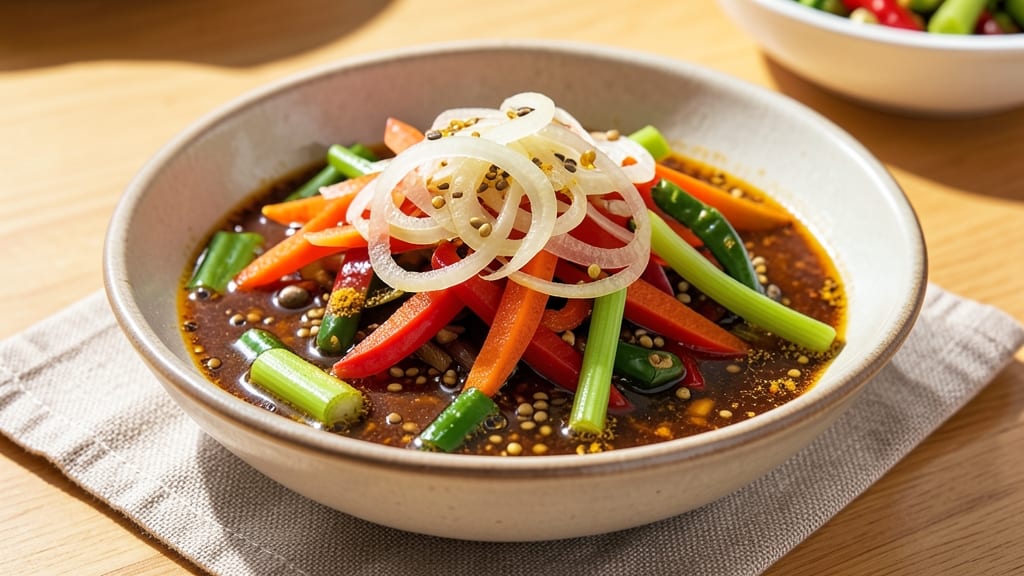
This achar sauce recipe transforms simple vegetables and fruits into a vibrant, tangy condiment that adds a burst of flavor to any meal. The key lies in balancing sweet, sour, and spicy elements—creating a crunchy, pickled mix that pairs perfectly with snacks, curries, or grilled meats. I’ve perfected this version with a celery crown twist, adding a refreshing texture that makes every bite unforgettable.
The process begins with thinly slicing vegetables like carrots, green chilies, and celery, then soaking them in a spiced vinegar solution. The magic happens during the fermentation stage, where flavors meld into a harmonious blend of heat, tang, and sweetness.
Unlike store-bought versions, this homemade achar stays crisp and vibrant for weeks, making it a pantry staple.
What sets this recipe apart is the celery crown crunch, which adds a bright, fresh contrast to the bold flavors. The sauce is versatile—serve it with samosas, sprinkle it over grilled chicken, or enjoy it as a tangy snack on its own.
The best part? It’s easier to make than you think, with just a few simple ingredients and minimal effort.
Once fermented, store the achar in an airtight container in the refrigerator for up to a month. The flavors deepen over time, becoming even more complex and addictive. Whether you’re hosting a party or just craving a flavor boost, this achar sauce will elevate every dish it touches.
Ingredients for achar sauce
Simple veggies and bold spices create this addictive tangy crunch—perfect for snacks or curries.
| Ingredient | Amount | Notes |
|---|---|---|
| Carrots 🥕 | 2 cups | Thinly sliced into matchsticks |
| Celery Sticks 🧅 | 1 cup | Thinly sliced into crowns |
| Green Chilies 🌶️ | ½ cup | Thinly sliced, any variety |
| White Onion 🧅 | 1 whole | Thinly sliced, outer layers removed |
| Mustard Seeds 🌱 | 1 tbsp | Whole, for tempering |
| Turmeric Powder 🌿 | ½ tsp | Freshly ground preferred |
| Red Chili Powder 🌶️ | 1 ½ tbsp | Adjust for spice preference |
| White Vinegar 🍶 | 1 ½ cups | White or apple cider vinegar |
| Sugar 🍚 | ½ cup | White granulated sugar |
| Salt 🧂 | 1 ½ tsp | Kosher or sea salt |
The celery crowns are the star here—they stay crisp and add that bright, fresh contrast that makes this achar special. Look for fresh celery with tight stalks at the grocery store, and slice it thinly for maximum crunch. The carrots should be firm and bright orange—Trader Joe's or Whole Foods usually have the best quality. Green chilies can be fresh or dried; fresh ones add more heat, while dried ones give a deeper flavor. Mustard seeds are key for that classic achar tempering—Penzeys Spices sells good quality ones if you're not sure where to find them.
No white vinegar? Apple cider vinegar or lemon juice works in a pinch, though the flavor will be slightly different. Want less heat? Cut the red chili powder to 1 tbsp—you can always add more later. The sugar balances the tang, so don’t skip it, but if you’re watching sugar, try a pinch of stevia instead. Fresh turmeric can be used instead of powder, but you’ll need about 1 tsp freshly grated for the same effect. The onions should be crisp—yellow or white both work, but avoid red if you don’t want color bleeding.
This achar keeps getting better over time, so make a big batch—it’ll last for weeks in the fridge. Store it in an airtight jar, and the flavors will deepen as it ferments. If you’re making it ahead, wait at least 24 hours before eating so the flavors meld. The celery crowns stay crisp for about a week if stored properly, but the rest of the mix will keep for up to a month. Freezing isn’t recommended—it’ll get mushy, but you can freeze just the liquid if you want to extend its shelf life.
Why You'll Love This Recipe
- Pantry Magic: I swear by this recipe—no shopping list, just what’s already lurking in my spice rack. The mustard seeds pop in the pan while I dice onions, and suddenly, dinner smells like a street-side stall.
- Tangy Crunch Alert: Between the raw mango’s bite (if you add it) and the celery’s sharp crunch, this sauce is alive—not just sweet, not just spicy, but that perfect balance. My kids fight over the last spoonful.
- Game for Any Plate: Slather it on dosas, mix it into rice, or drizzle it over grilled fish. Honestly, I’ve even used it as a quick marinade for chicken—works every time, no judgment here.
- Lasts a Week: Make a big batch on Sunday, and you’ve got a flavor bomb for lunches, snacks, or unexpected guests. The onions and carrots soften just enough to keep it tasty, not soggy. My wallet thanks me too.
Step-by-step instructions for achar sauce
This tangy, crunchy achar sauce comes together in minutes—just prep the veggies and let the flavors marry.
Prep the Vegetables for Maximum Crunch
Start by slicing the 2 cups of carrots into thin matchsticks—about ¼-inch thick—using a sharp mandoline or chef's knife. You want them to stay crisp, not soft, so don't overcrowd the cutting board. Next, trim the 1 cup of celery sticks into ½-inch crowns, removing any stringy leaves. The celery should hold its shape but still be tender enough to eat.
Slice the 0.5 cup of green chilies into ¼-inch rings and peel the 1 whole white onion, removing the outer papery layers. Thinly slice the onion into ⅛-inch half-moons—this ensures it softens evenly without turning mushy. Set all prepped vegetables aside in separate bowls; you'll use them in the next step. The key here is uniformity—evenly sized pieces cook at the same rate and create a balanced texture in the final sauce.
Temper the Spices for Depth of Flavor
Heat a deep skillet over medium heat and add the 1 tablespoon of mustard seeds. Let them sizzle for 30 seconds until they begin to pop—this releases their nutty aroma. Immediately add the 0.5 teaspoon of turmeric powder and 1.5 tablespoons of red chili powder, stirring constantly for 1 minute to toast the spices and deepen their flavor.
Quickly pour in the 1.5 cups of white vinegar and let it simmer for 2 minutes until the mixture smells sharp and tangy. This step is critical—it builds the base flavor of the sauce. If the vinegar smells harsh, don’t worry; it’ll mellow as it cools. Remove the skillet from heat and let the spice mixture cool slightly before proceeding.
Combine Vegetables and Simmer
Add the prepped carrots, celery, green chilies, and onion to the skillet with the spiced vinegar. Stir gently to coat everything evenly. Sprinkle in the 0.5 cup of sugar and 1.5 teaspoons of salt, then return the skillet to low heat. Let the mixture simmer for 10-12 minutes, stirring occasionally, until the vegetables soften slightly but still retain their crunch.
Here’s the thing—you want the veggies to stay crisp, not soggy. If they start looking too soft, reduce the heat to lowest setting and cover the skillet for 2-3 minutes to trap heat. The sauce should coat the vegetables but still allow them to hold their texture. Taste a piece of carrot—it should be tender but still have bite.
Cool and Store for Maximum Flavor
Once the vegetables are tender-crisp, transfer the achar sauce to a clean glass jar. Let it cool completely at room temperature—this allows the flavors to meld and the vinegar to penetrate the vegetables. The sauce will thicken slightly as it cools, so don’t worry if it looks too loose right away.
Seal the jar and refrigerate for at least 4 hours (or overnight) before serving. This resting period is non-negotiable—it lets the tangy, spicy flavors develop fully. The longer it sits, the better it tastes. Store in the fridge for up to 2 weeks, or transfer to an airtight container for longer shelf life. The crunch and heat will intensify over time, making it even more addictive.
Pro Tips For Making Achar Sauce
- CRUSH ONIONS FIRST: Toss those white onions into a food processor with a splash of water—just enough to help them break down—before adding them to the pan. I learned this the hard way: raw onion chunks burn before they soften, and you end up with bitter, half-chewed bits instead of a smooth, sweet base for your achar sauce.
- SHOCK VEGETABLES IN ICE: Dump your chopped carrots and celery sticks into a bowl of ice water for 10 minutes before cooking. This stops them from releasing excess starch into the oil, which keeps your achar sauce from turning gloopy. (Yes, even if you’re impatient like me—just don’t skip it.)
- LOW AND SLOW WITH MUSTARD: Add mustard seeds to warm oil—never hot—otherwise, they’ll pop like fireworks and burn before they release their nutty aroma. Let the oil reach a gentle simmer (just under 120°C/250°F) before tossing them in, or you’ll end up with bitter smoke instead of that classic, earthy kick.
- SLICE CHILIES THIN, NOT CHOPPED: Thin, even slices of green chili (about 1/8-inch thick) caramelize better and distribute heat evenly in the sauce. Chopping them into small pieces means they burn before they soften, turning your achar into a one-note spicy mess. (Save the dicing for garnish if you’re feeling fancy.)
Dietary considerations for this achar sauce
Vegetarian-Friendly
Achar sauce is naturally vegetarian, making it a fantastic addition to plant-based meals. The recipe relies entirely on vegetables, spices, and vinegar—no animal products are involved. This makes it perfect for veggie-loaded dishes like chana masala, dal tadka, or even as a tangy topping for vegan wraps.
The celery crowns add a refreshing crunch that balances the heat and tang, making it a crowd-pleaser for all dietary preferences. 🌱
Gluten-Free
Since this achar sauce uses only fresh vegetables, vinegar, and spices, it’s inherently gluten-free. Always double-check your vinegar and spice blends for hidden gluten, as some brands may contain additives. I recommend using Bragg Organic Apple Cider Vinegar and Penzeys Spices for certified gluten-free products.
The recipe’s simplicity ensures no cross-contamination risks, making it safe for those with celiac disease or gluten sensitivity.
Low-Sugar Option
If you're watching sugar intake, you can reduce the 0.5 cup of sugar to just 2 tablespoons or replace it entirely with a pinch of stevia or monk fruit sweetener. The vinegar and spices will still provide the tangy, spicy profile, though the sweetness will be less pronounced.
For a balanced flavor, add 1 teaspoon of honey or agave nectar to maintain some sweetness without overdoing it. The celery and carrots will still hold their crunch, ensuring texture isn’t compromised. 🍯
Spice Adjustments
This recipe is naturally spicy, but you can easily tone it down for sensitive palates. Reduce the red chili powder from 1.5 tablespoons to just 1 teaspoon or omit it entirely if you prefer mild heat.
For extra flavor without spice, add ½ teaspoon of smoked paprika or a pinch of cumin to deepen the complexity. The green chilies can also be removed or replaced with mild banana peppers for a milder kick. Always taste as you go—adjustments are easy to make!
Allergen Awareness
This achar sauce is free from common allergens like dairy, eggs, and nuts, making it safe for most dietary restrictions. However, mustard seeds are a potential allergen for some individuals.
If you or someone you’re cooking for has a mustard allergy, simply omit the 1 tablespoon of mustard seeds and rely on the other spices for flavor. The turmeric, red chili powder, and vinegar will still create a vibrant, tangy sauce.
Always read labels on spices and vinegar to ensure no cross-contamination with allergens.
Nutrition facts
Frequently asked questions
Can I make achar sauce without vinegar?
Vinegar is essential for the tangy flavor and preservation, but you can experiment with alternatives like lemon juice or apple cider vinegar for a milder taste. For a fermented version (like traditional mango achar), use salt brine instead—pack the vegetables tightly in a jar with 2 tablespoons of salt per cup of water and let ferment for 3-5 days before adding spices. The texture will be softer but still flavorful!
How do I keep the celery crowns extra crispy?
Slice the celery crowns just before adding them to the vinegar mixture, and avoid overcrowding the skillet. After simmering, spread the achar on a baking sheet to cool quickly—this prevents sogginess. For extra crunch, add 1 teaspoon of cornstarch to the vinegar mixture before simmering. Store in an airtight container, and the celery will stay crisp for up to 10 days in the fridge.
What’s the best way to use leftover achar sauce?
This versatile condiment works as a topping for grilled meats, a dip for fries or samosas, or a flavor booster in curries and soups. For a quick snack, mix with yogurt and chopped cilantro. The sauce also freezes well—remove the celery crowns, freeze the liquid separately, and add them back when serving. The flavors deepen over time, so it’s even better after a few weeks!
Why did my achar turn mushy instead of staying crisp?
Overcooking or using thick vegetable slices are the most common culprits. Always slice ingredients thinly and evenly, and simmer on low heat for just 10-12 minutes. If the vegetables soften too quickly, reduce the heat and cover the skillet. For extra crunch, add 1 tablespoon of tapioca starch to the vinegar before simmering—it helps maintain texture. Store properly in an airtight container to preserve freshness.
Can I make achar sauce with fruits instead of vegetables?
Traditional mango achar is a classic example. Thinly slice 2 cups of ripe mangoes, mix with 1 cup of vinegar, ½ cup of sugar, and 1 teaspoon of turmeric. Add ½ cup of red chili powder for heat and let it marinate for 24 hours before serving. Other fruits like pineapple, peaches, or even apples work well—just adjust the sweetness and spice levels to taste!